8 Reasons Why Modern Businesses Should Adapt to DevOps
Discover why adopting DevOps practices is crucial for modern businesses. Learn about the benefits of DevOps, including reduced development cycles, lower failure rates, continuous improvement in software delivery, and enhanced inter-team communication. Explore how DevOps can increase value delivery, reduce deployment time, speed up response, and cut down on waste.

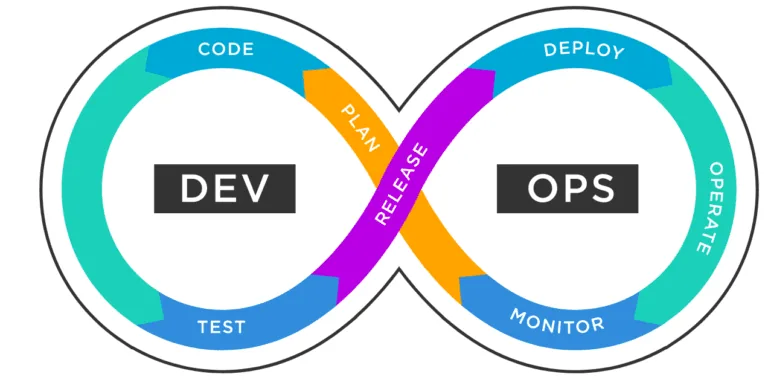
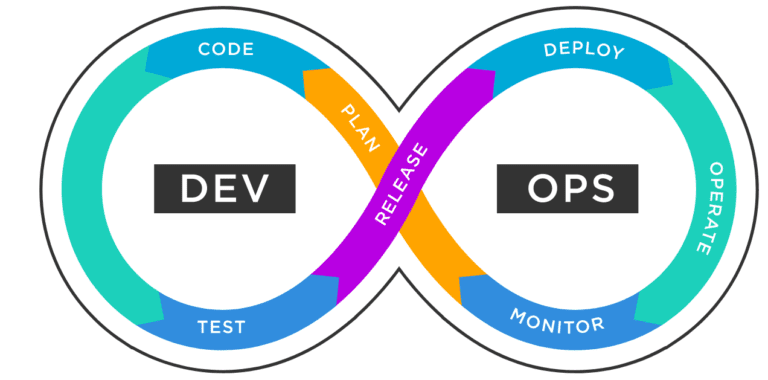
Development and operations are critical aspects of every software company. Your company's success depends on effectively coordinating these roles to increase software delivery speed and quality. DevOps as a service is also crucial to delivering software more quickly and efficiently.
Development and operations teams often operate in isolation, but DevOps acts as a bridge to enhance cooperation and efficiency.
Why Does DevOps Matter in Modern Business?
Implementing DevOps methods successfully in your firm can substantially influence efficiency, security, and corporate cooperation. According to the 2017 State of DevOps Report, firms that use DevOps principles spend 21% less time on unplanned work and rework and 44% more time on additional work, resulting in improved efficiency (Díaz et al., 2021).

8 Reasons Why DevOps is Essential for Modern Businesses
1. Reduced Development Cycles
Companies thrive by innovating more quickly than their competition. The primary goals of DevOps are automation, continuous delivery, and a short feedback loop, similar to Microsoft Azure DevOps. Immediate and constant feedback allows for speedier releases. In Cloud DevOps, merging development and operations activities results in the rapid creation and distribution of applications to the market [(Khan et al., 2022)]. The overall advantage is a shorter cycle time to fully realize an idea, with superior quality and precise alignment.
2. Reduced Failure Rates of Implementation
DevOps automation encourages regular code versions, leading to easier and quicker identification of coding errors. Teams can use agile programming techniques to reduce the number of implementation failures (Maroukian and Gulliver, 2020). Recovery from mistakes is faster when development and operations teams collaborate, addressing issues collectively.
3. Continuous Improvement and Software Delivery
Implementing DevOps principles enhances software quality while releasing new features and enables rapid changes. Continuous Integration and Continuous Deployment (CI/CD) involves making incremental changes and swiftly merging them into the source code, as seen in Azure DevOps. This approach allows software to reach the market faster while addressing consumer complaints promptly. [DevOps as a service] fosters higher quality and efficiency in continuous release and deployment.
4. Improved Inter-Team Communication
DevOps automation enhances business agility by promoting a culture of cooperation, effective communication, and integration among all global teams within an IT company. The DevOps culture values performance over individual ambitions, making procedures more transparent and allowing employees to learn quickly and impact the business significantly.
5. Increased Value Delivery Scope
Using DevOps as a service fosters a continuous delivery environment, focusing on innovations and better value generation through digital transformation (Wiedemann et al., 2019). This approach ensures that work is adequately integrated and managed in a conducive environment.

6. Reduced Deployment Time
DevOps methods improve the effectiveness of building new systems by incorporating feedback from developers, stakeholders, and colleagues (Plant, van Hillegersberg, and Aldea, 2021). This approach results in consistent execution and faster deployment compared to competitors.
7. Faster Response
One of the primary benefits of Cloud DevOps' continuous deployment cycle is the ability for firms to iterate rapidly based on consumer feedback and evaluations. This enhances the ability to manage uncertainty and speeds up procedures.
8. Reduces Waste
Enterprises that adopt lean practices and iterate quickly use resources more effectively and minimize waste. DevOps as a service helps firms reduce operational inefficiencies by shifting various responsibilities to the development team.
Deploy on Nife
Ready to deploy? Check out the Nife documentation:
From the team at Nife
Deploy your next app in minutes, not days.
Nife is a multi-cloud edge platform that lets you deploy, scale, and manage applications globally without the infrastructure headache.